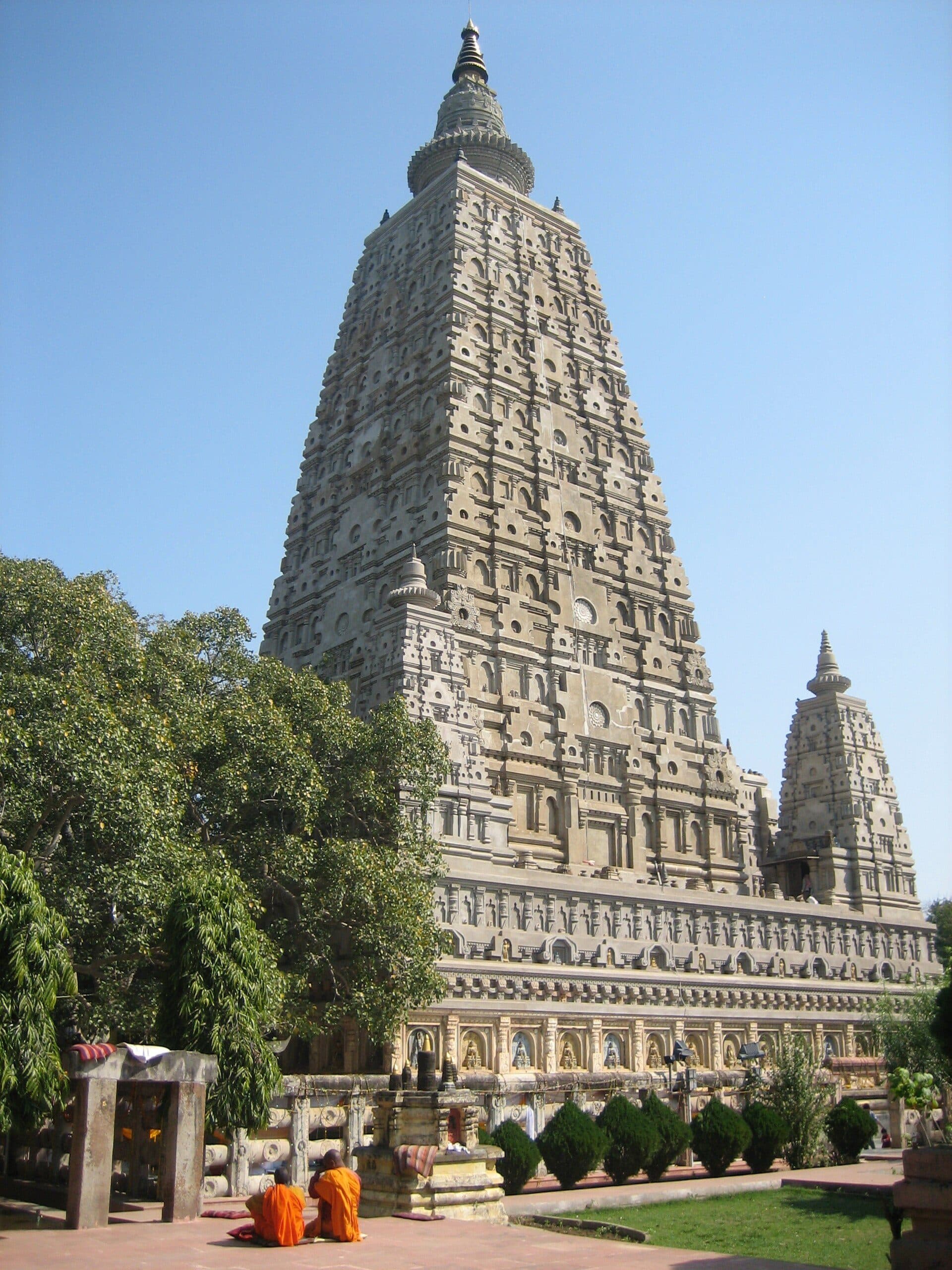
Bodh Gaya
The tree the Buddha sat under, a temple standing since the 6th century, and monasteries built by a dozen Buddhist nations around one square kilometre. What makes Bodh Gayaworth a long conversation isn’t in any guidebook. It’s in the rhythm of who runs the lodges, which naturalist is in the field that month, and which lanes the festival actually unfolds in. We plan trips here the way locals plan a weekend — knowing what’s open, what’s in season, what’s worth skipping.
Things worth doing
- The Mahabodhi compound before sunrise, every tradition at once
- The Vajrasana, placed by Ashoka in the 3rd century BCE
- The national monasteries — a dozen countries in a walkable circuit
- Winter teachings; check the Dalai Lama's schedule before fixing dates
- October to March. Bihar summer is not worth attempting
Who plans this · Cultural
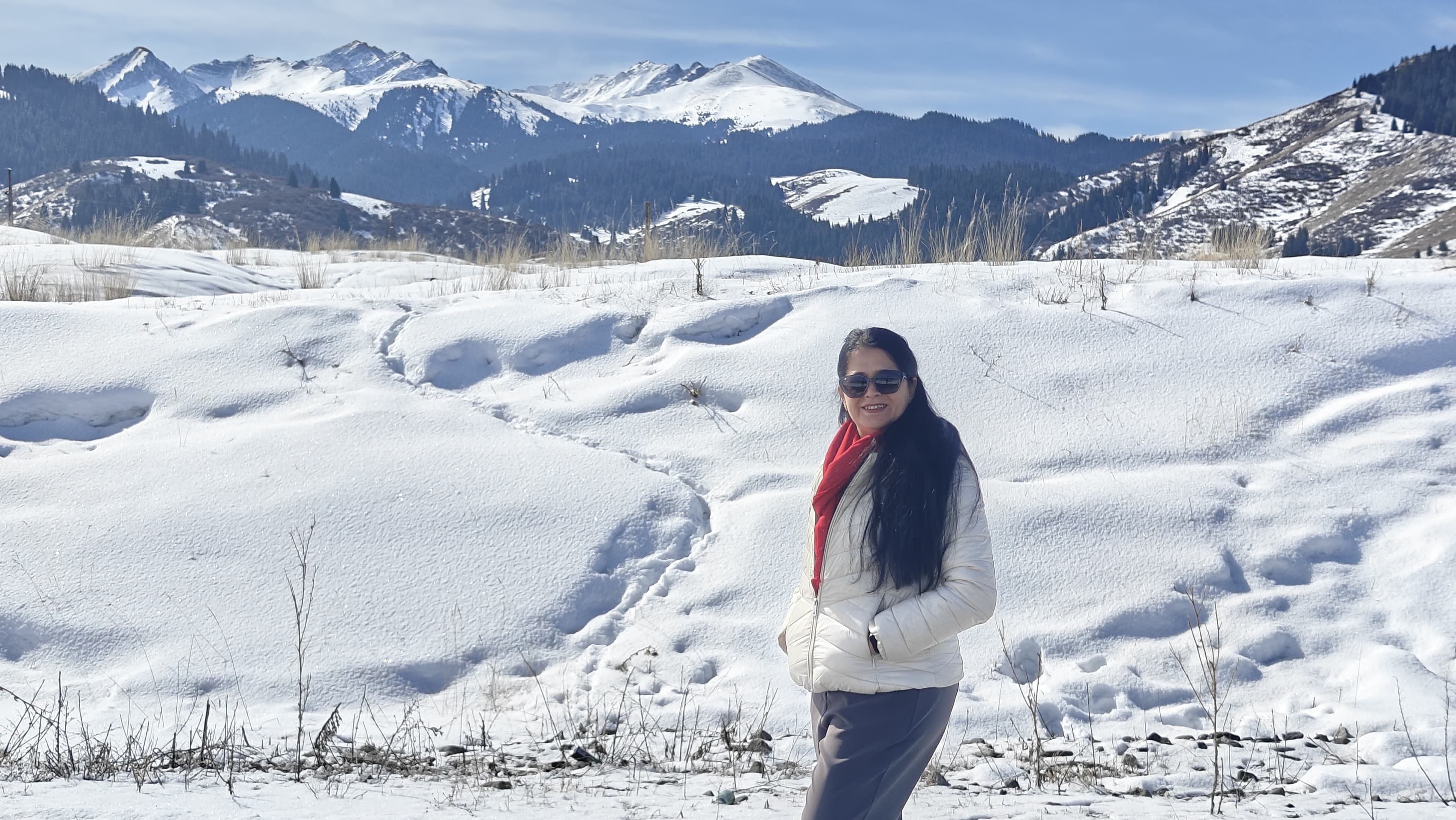
Reena on Bodh Gaya.
Cultural travel done badly is performance. Done well, it's an introduction. The people I send you to are people whose families have lived these streets for generations.
“The places that change you are the ones you couldn't have found yourself.”
When to go
- Oct–Feb
- Cool air, prime sightings, parks at full life.
- Mar–Apr
- Leaner forest, easier sightings if you can take the heat.
- Jun–Sep
- Many parks closed for monsoon; cultural and Himalayan trips shine.
Pairs well with
Three places we often plan in the same trip.
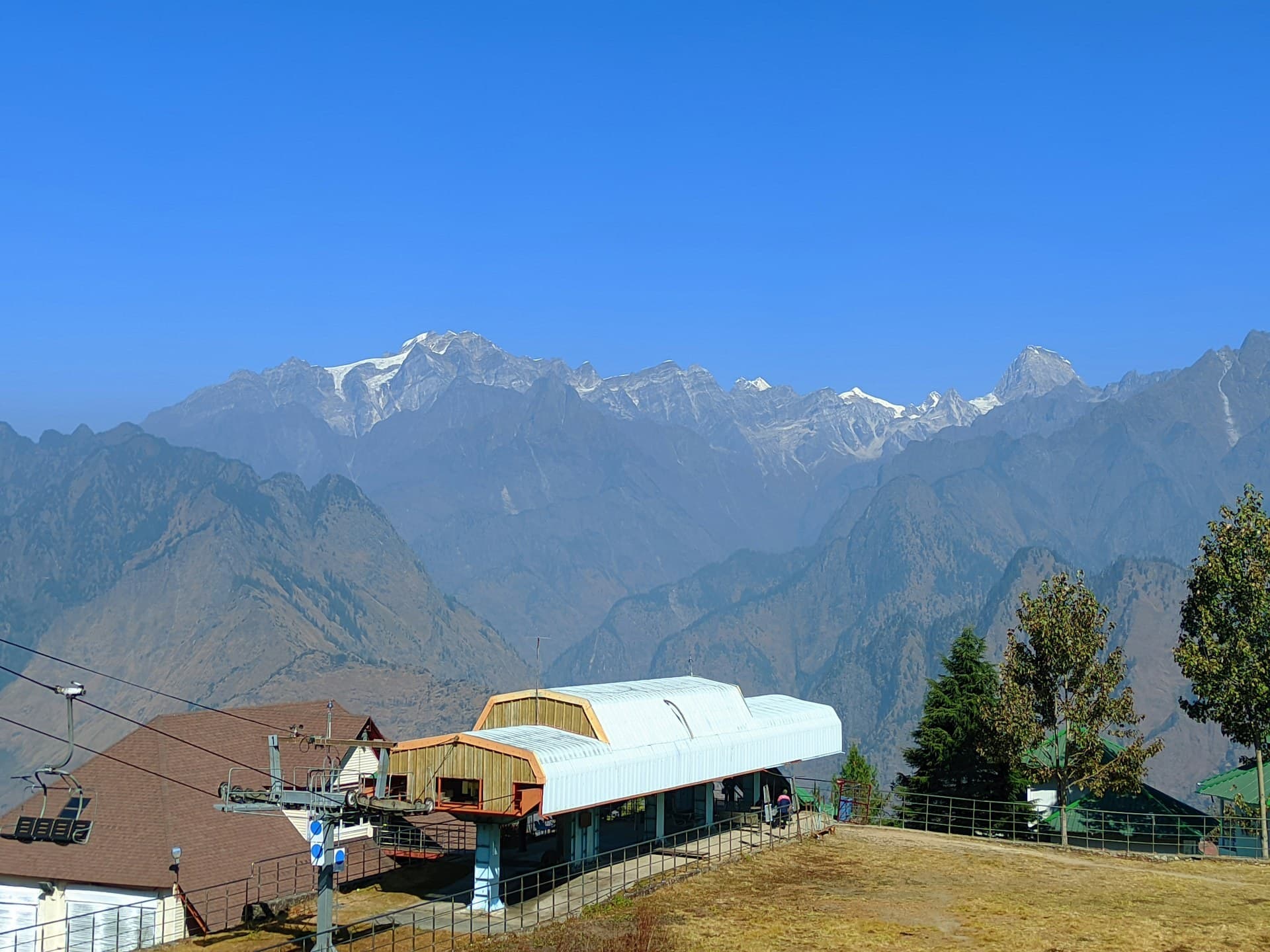
Uttarakhand
Auli & Garhwal
The Garhwal high country — Auli, Joshimath, the Valley of Flowers — for travellers who want meadows and serious mountains in one trip.
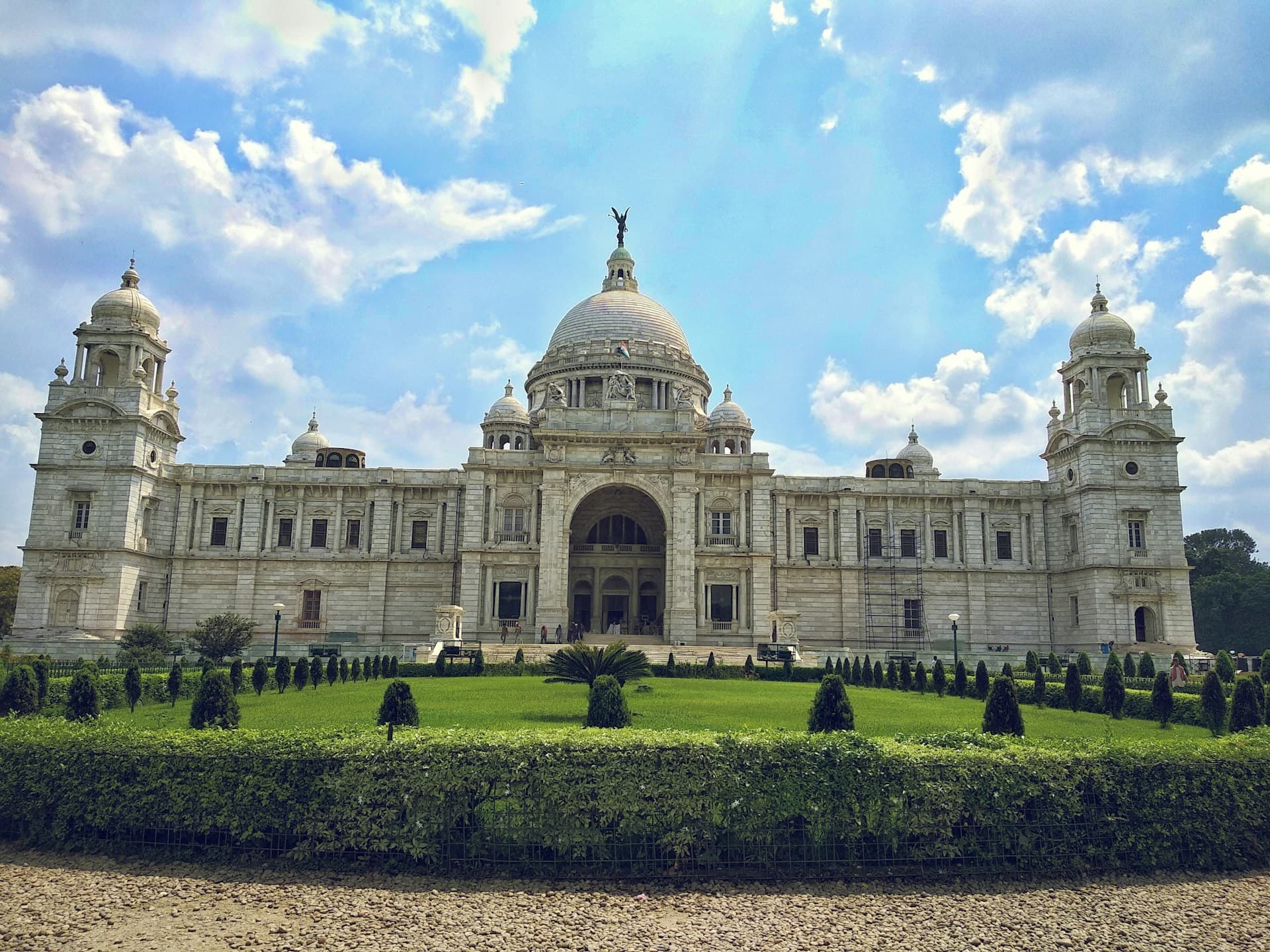
West Bengal
Bishnupur
The terracotta temple town of the Malla kings. Brick the colour of dried blood, panels that read like a Mahabharata graphic novel.
Rajasthan
Bundi
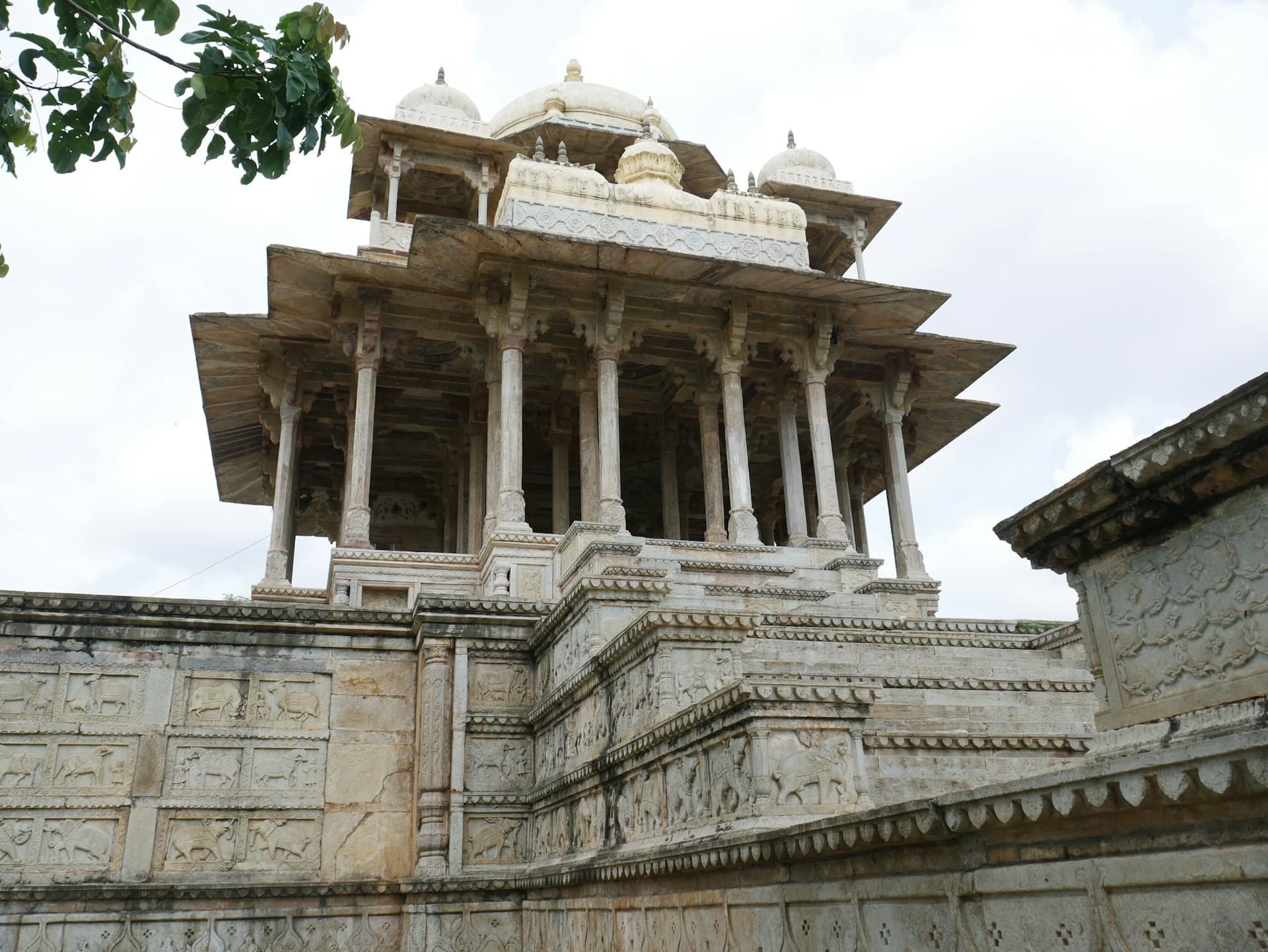
A blue-painted hill town with a 14th-century palace nobody renovated, stepwells in residential lanes, and Kipling's old guesthouse still standing.