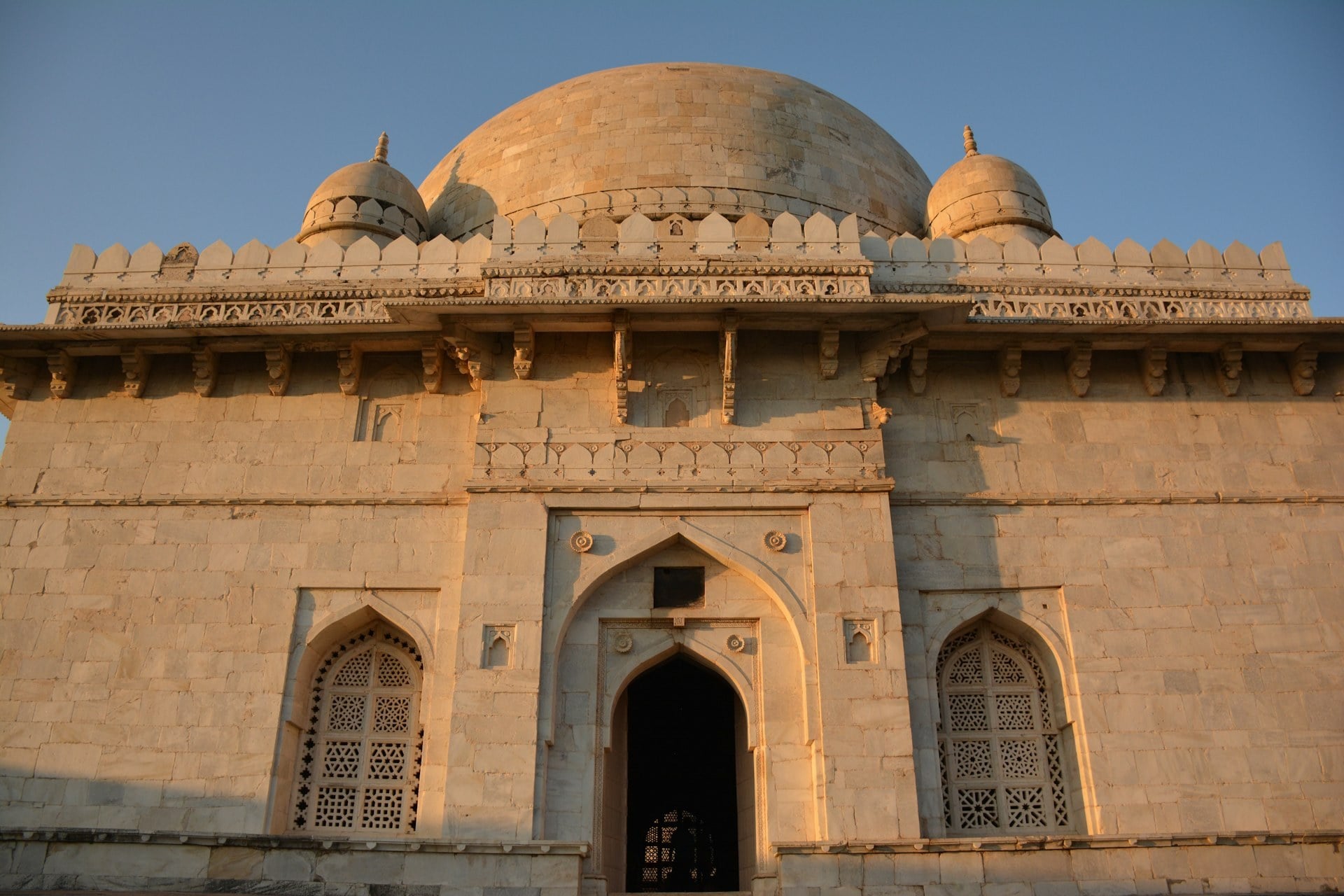
Mandu
A 12-square-kilometre ridge-top city of Afghan-style tombs and pavilions, abandoned in the 1700s, now grazed by goats and visited by almost no one. What makes Manduworth a long conversation isn’t in any guidebook. It’s in the rhythm of who runs the lodges, which naturalist is in the field that month, and which lanes the festival actually unfolds in. We plan trips here the way locals plan a weekend — knowing what’s open, what’s in season, what’s worth skipping.
Things worth doing
- Hoshang Shah's tomb, the marble blueprint that became the Taj
- Cycling between the Royal, Village, and Rewa Kund groups
- Baobab trees planted by Afghan traders 600 years ago
- Rupmati's Pavilion at sunset, 300m above the Narmada
Who plans this · Heritage
Reena on Mandu.
Heritage travel is where India quietly outclasses everywhere else. We focus on the unrenovated, the under-visited, and the families still living inside the walls.
“The places that change you are the ones you couldn't have found yourself.”
When to go
- Oct–Feb
- Cool air, prime sightings, parks at full life.
- Mar–Apr
- Leaner forest, easier sightings if you can take the heat.
- Jun–Sep
- Many parks closed for monsoon; cultural and Himalayan trips shine.
Pairs well with
Three places we often plan in the same trip.
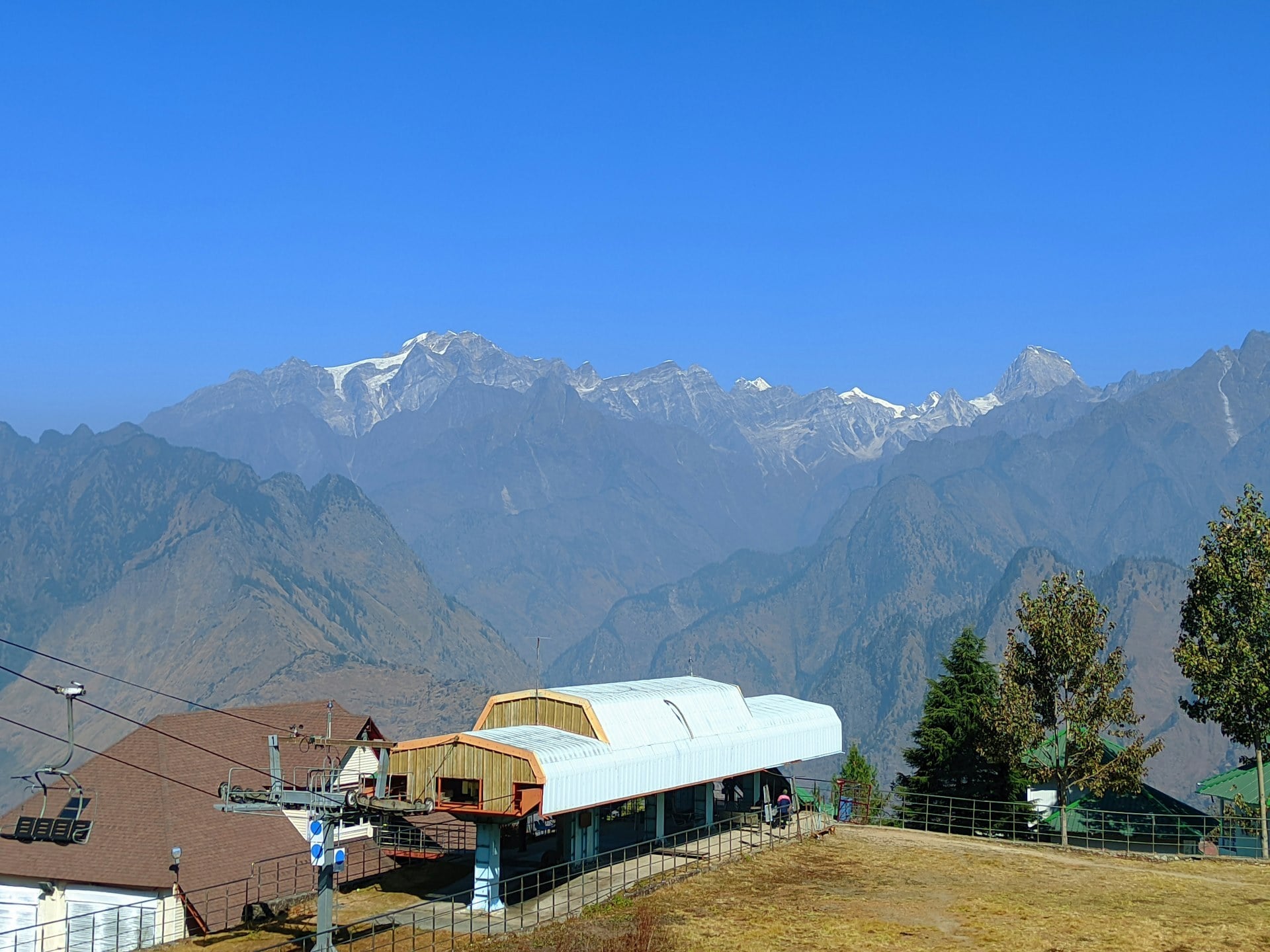
Uttarakhand
Auli & Garhwal
The Garhwal high country — Auli, Joshimath, the Valley of Flowers — for travellers who want meadows and serious mountains in one trip.
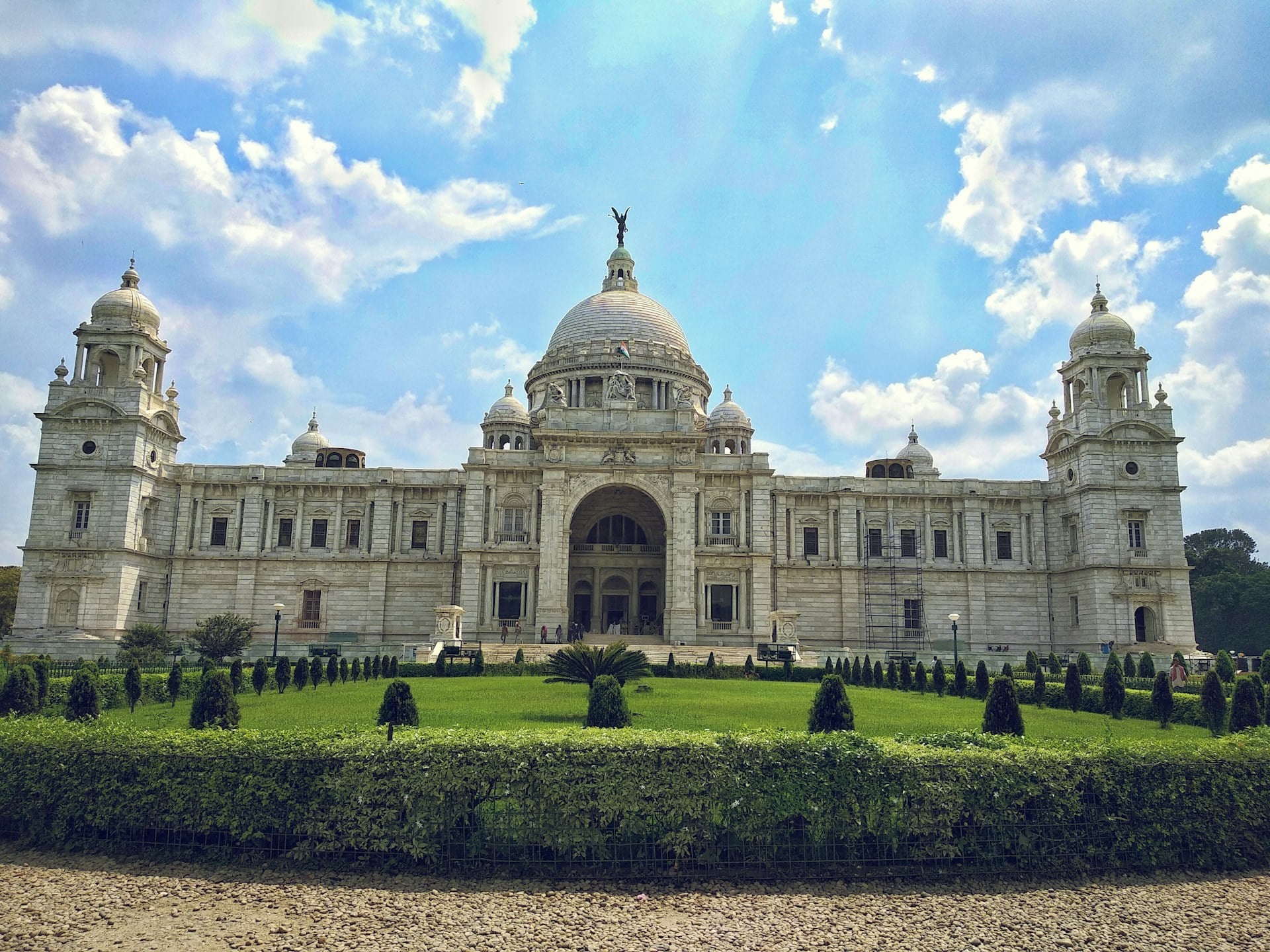
West Bengal
Bishnupur
The terracotta temple town of the Malla kings. Brick the colour of dried blood, panels that read like a Mahabharata graphic novel.
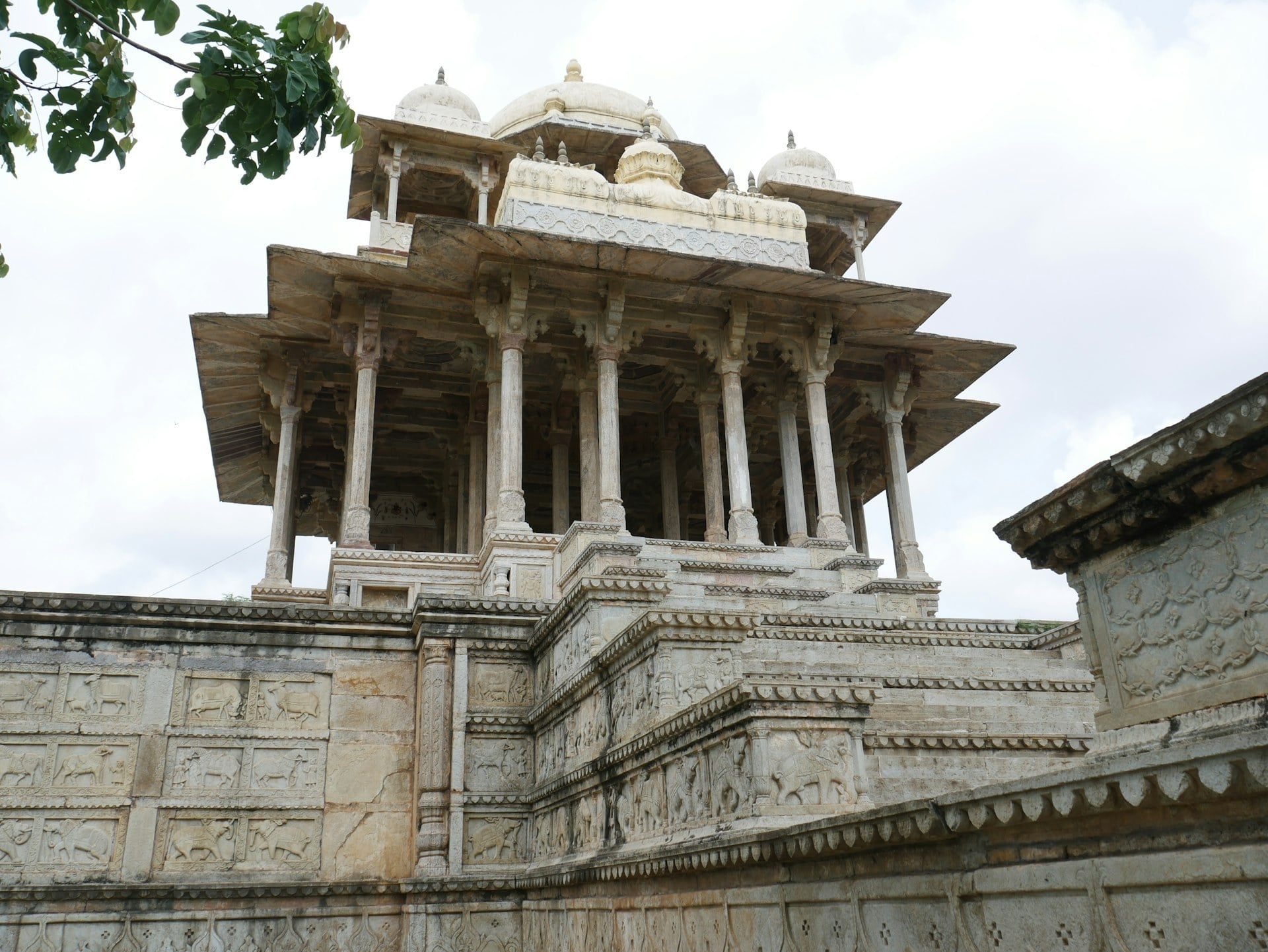
Rajasthan
Bundi
A blue-painted hill town with a 14th-century palace nobody renovated, stepwells in residential lanes, and Kipling's old guesthouse still standing.